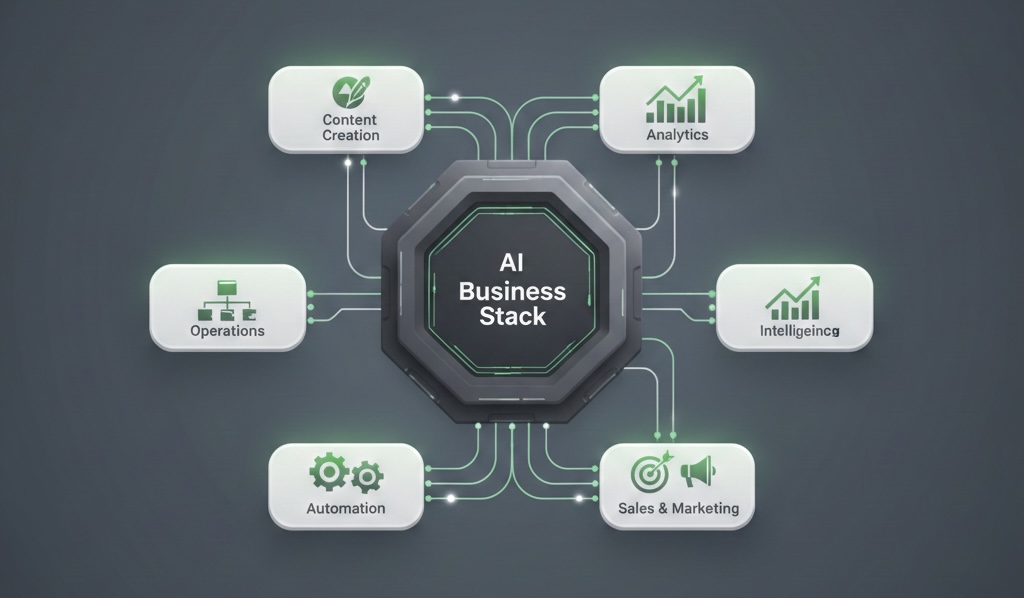
If you’re a CEO in 2026, you’ve likely realized that the “AI gold rush” has shifted. It’s no longer about who can generate the most text; it’s about who can build the most resilient enterprise AI stack 2026. I see it every day in my audits for founders: there is a massive gap between companies “using AI” and companies building predictable growth engines.
The truth? Most of what passes for “AI strategy” right now is just expensive noise. But for those willing to invest in best AI tools for business, the ROI isn’t just theoretical—it’s operational. Are paid AI tools worth it in 2026? Well, if you enjoy spending 40% of your week on manual triage, then no. But if you want to scale without doubling your headcount, they are non-negotiable.
Here is the audited truth on the best AI tools for business 2026 and best no code automation tools for business in 2026. No fluff, just the stack that actually works.
Core Productivity & Note-Taking: The Battle Against “Brain Drain”
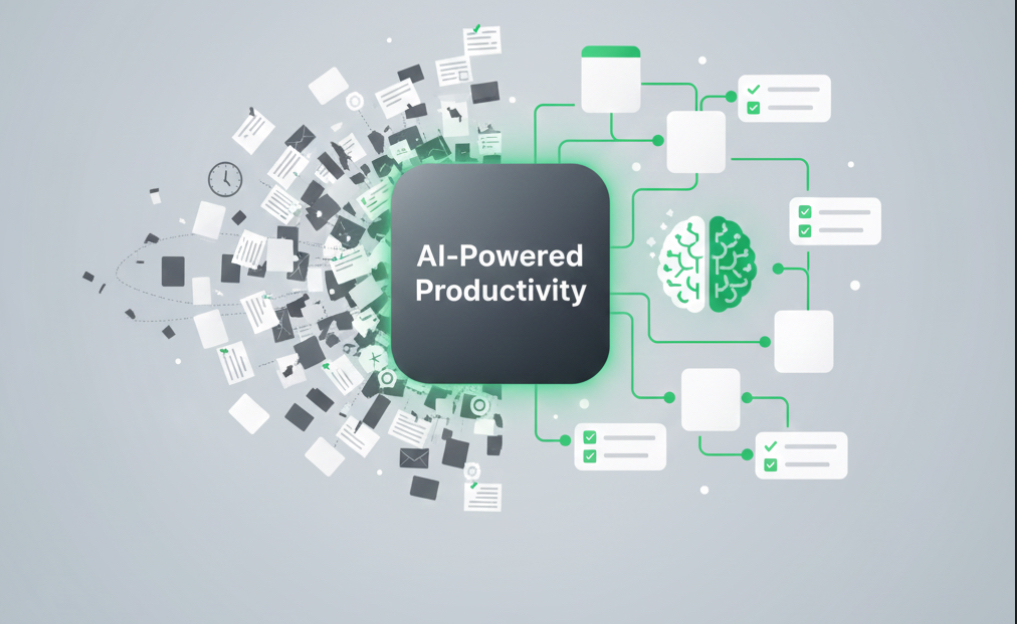
The real cost of a modern business isn’t rent; it’s the ‘cognitive tax’ of lost information. Research shows that context switching can cost as much as 40% of a worker’s productive time, a silent killer for any scaling business. In 2026, serious businesses use paid AI tools for productivity 2026 to ensure their best ideas don’t die in a buried email thread. When looking for the best AI productivity tools 2026, these three stand out for their ability to protect your most valuable asset: time.
Mem.ai
Let’s be honest: traditional folder structures are where data goes to die. Mem.ai is the first AI-powered second brain that actually feels… Well, smart. It quietly puts your notes, tasks, and scattered ideas in order on its own—no setup, no upkeep, no babysitting from you. This is among the best AI tools serious businesses use 2026 for internal knowledge management.
Key Features: Semantic search that doesn’t just look for keywords but understands the intent of your query.
Pros: It provides instant contextual recall. If I need a quote from a client call six months ago, I don’t search; I just ask.
Cons: The initial setup for privacy and data silos can be a headache for larger teams.
Pricing: Pro is $10/mo.
Use Case: An executive asking, “What were the specific objections from the Irish investors in October?” and getting a bulleted list in three seconds.
2026 Outlook: Moving toward agentic extensions where the tool doesn’t just remember the task but starts the draft for you.
Motion
Motion is the best AI tools serious businesses use 2026 to fight manual scheduling. It’s a high-ROI AI productivity tools 2026 choice for founders in the UAE or UK.
Key Features: It auto-schedules your tasks into your open slots and blocks focus time before someone else takes it.
Pros: It reduces the “decision fatigue” of figuring out what to do next.
Cons: It can be aggressive. If you don’t set boundaries, it will fill every second of your day.
Pricing: $19/mo (Individual).
Use Case: Founders in UAE or UK managing 50+ moving parts a week without needing a full-time assistant.
2026 Outlook: Expect multimodal inputs—you’ll be able to tell your car to “re-prioritize Tuesday” and Motion will handle the rest.
Reclaim.ai
Reclaim is the “bodyguard” for your deep work. It’s a smart scheduler that uses AI to build habits while defending your focus time against “meeting creep.” It is a staple for any AI productivity tools 2026 strategy.
Key Features: Auto-defense against meetings and analytics that show exactly where your time is leaking.
Pros: It offers a transparent ROI report on your time.
Cons: Heavily reliant on Google/Outlook calendars.
Pricing: $8/user/mo.
Meeting & Collaboration Boosters: Killing the “Meeting After the Meeting”
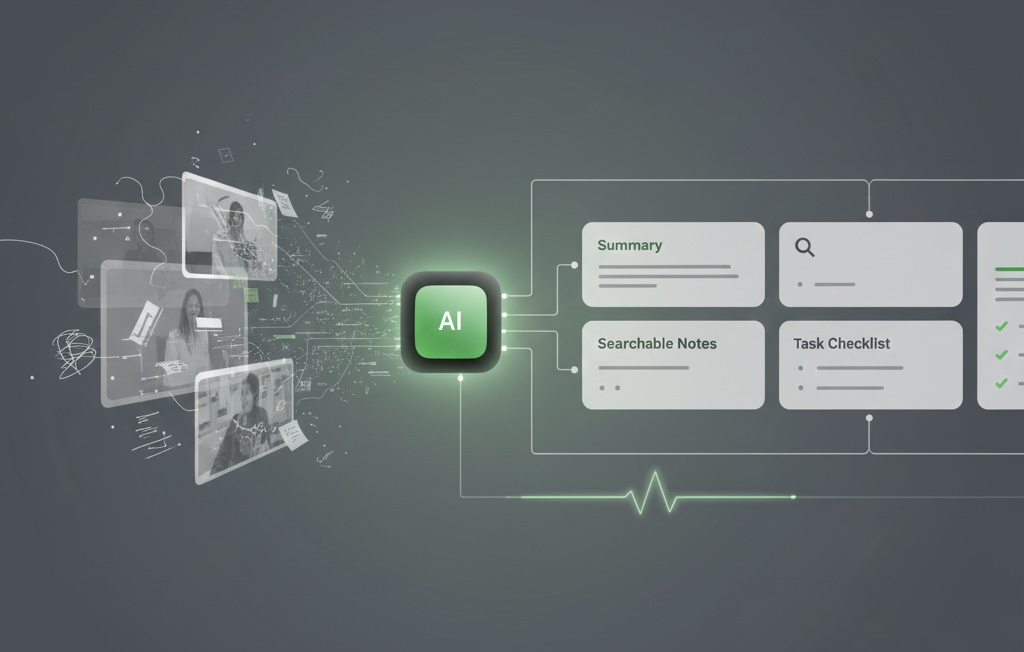
Which AI tools are enterprises adopting in 2026? Specifically, they are choosing the best paid AI tools 2026 that turn the chaos of a 60-minute Zoom call into a structured, searchable asset.
Otter.ai
Nowadays, Otter.ai is widely considered one of the top paid AI tools for business for hybrid teams. It provides real-time transcription and agentic follow-ups.
Key Features: Accurate Speaker ID and automated action item extraction.
Pros: It builds a searchable archive of your company’s collective intelligence.
Cons: High-speed, multi-speaker debates can still trip it up occasionally.
Pricing: Pro is $16.99/user/mo.
Use Case: Sales teams distilling 20+ discovery calls a week into clean CRM entries.
2026 Outlook: Agentic follow-ups—the AI will draft the “thank you” email and attach the specific documents mentioned during the call.
Zoom AI Companion
For those building an enterprise AI stack 2026, the Zoom AI Companion is a no-brainer. It handles notes natively, making it a staple paid AI tools for productivity 2026.
Key Features: “Catch me up” live queries for when you’re five minutes late.
Pros: No third-party “bots” joining the call, which looks much more professional in B2B settings.
Cons: Locked into the Zoom ecosystem.
Pricing: Included with Zoom Pro (~$15/mo).
Fathom
Fathom is for the visual-first manager. It creates instant clips and highlight reels that you can share with stakeholders who don’t have time for a full replay.
Key Features: CRM sync and sentiment analysis to track client “vibe” shifts.
Pros: Entirely free for individuals, but the paid team version is where the real power lies.
Cons: Focuses heavily on video; not a replacement for general text-based note-taking.
Pricing: $19/user/mo.
Content & Writing Enhancement: Authority over “Slop”
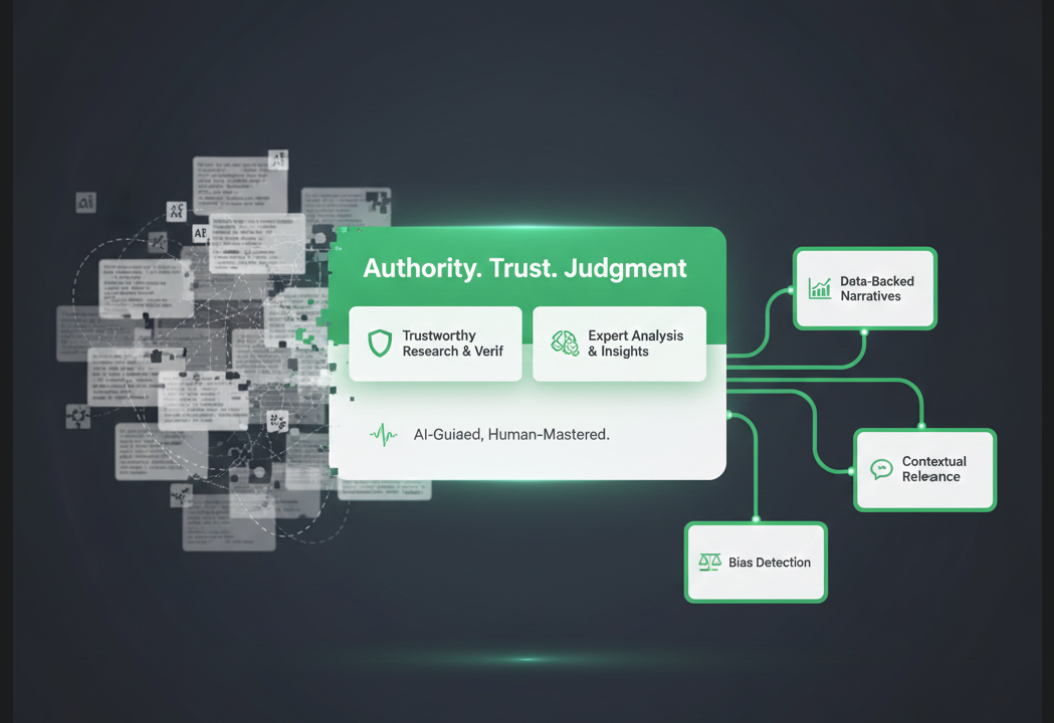
To stand out in an era dominated by AI Overviews, content can’t sound manufactured. It needs a point of view. The best AI tools for business 2026 will rely on aren’t about producing more words—they’re about following Google’s E-E-A-T framework to earn trust by saying something that actually matters.
Writesonic
Writesonic is the powerhouse for generative AI tools for business 2026. It helps marketers in Cork and beyond produce high-ROI blog posts in minutes.
Key Features: Brand voice training and integrated plagiarism checks.
Pros: It iterates fast. You can go from an idea to a full, high-ROI blog post in minutes.
Cons: It still requires a human editor to inject that “loss aversion” and empathy that AI lacks.
Pricing: Pro starts at $16/mo.
Use Case: A marketing lead in Cork producing 12+ high-quality content pieces a month solo.
Writer
If you are in a regulated industry—finance, legal, healthcare—Writer is the only choice. It is enterprise-grade AI for compliant, brand-consistent writing, addressing the fact that AI productivity tools worth paying for 2025-2026 must prioritize accuracy.
Key Features: Fact-checking layers and LLMs that can be self-hosted for maximum security.
Pros: It eliminates the risk of ‘AI hallucinations’ that could lead to legal trouble. Thomson Reuters reports that 50% of professionals cite accuracy as the single biggest barrier to AI investment.
Cons: It’s a significant investment in both time and budget.
Pricing: Custom (~$18/user/mo).
Task & Project Management: Scaling with Intelligence
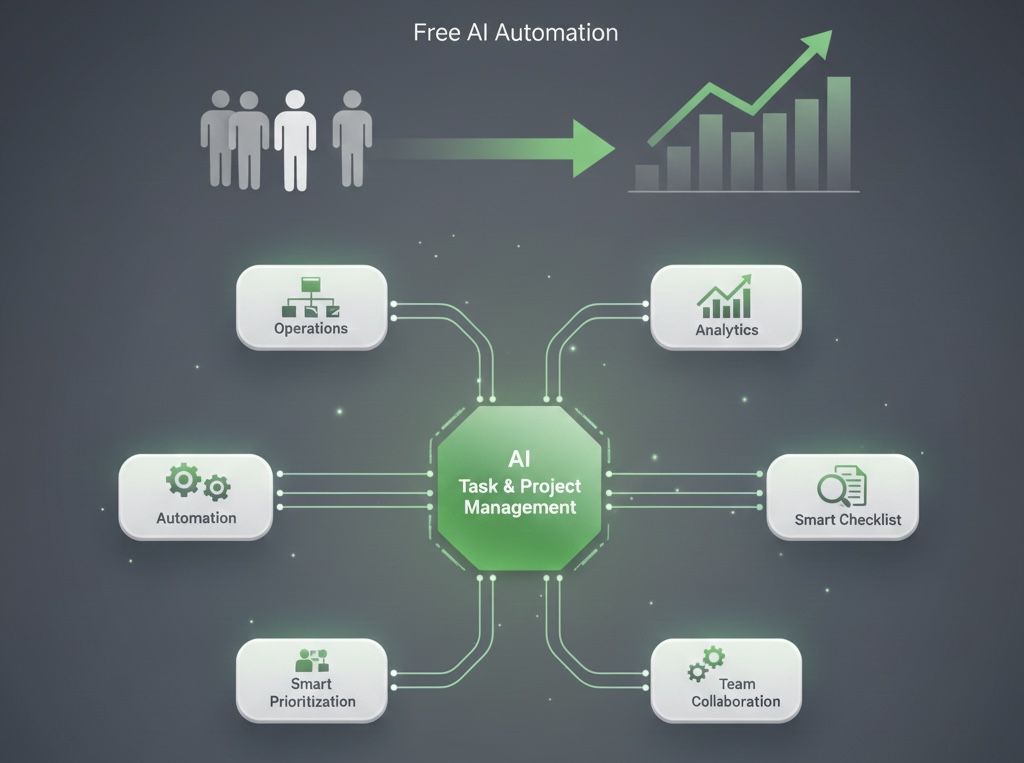
Businesses are often lean. To compete globally, we need the best AI automation tools 2026 and best free AI automation tools 2026 that act as “force multipliers” for small teams.
ClickUp AI
ClickUp is the “everything app” for a reason. Its embedded AI helps with task generation and complex AI tools for workflow automation 2025.
Key Features: Dependency mapping and automated subtask creation from raw documents.
Pros: It centralizes your entire business operation in one place.
Cons: The learning curve is steep. You need a dedicated “owner” to set it up right.
Pricing: Unlimited $7/user/mo + $5 AI add-on.
Asana Intelligence
Asana isn’t trying to help you do more tasks faster. It’s built for teams that want to step back and understand what’s actually going wrong across projects—where momentum drops, where priorities drift, and where work quietly gets stuck.
Key Features: It surfaces early warning signs and gives leadership a portfolio-level view, so problems show up before they turn into post-mortems.
Cons: The entry price looks sensible, but once you lean into the AI layer, the spend adds up quicker than expected.
Pricing: Premium access starts at $10.99 per user per month, with higher costs tied to how heavily the intelligence features are used.
Sales & Marketing Automation: The Revenue Engine
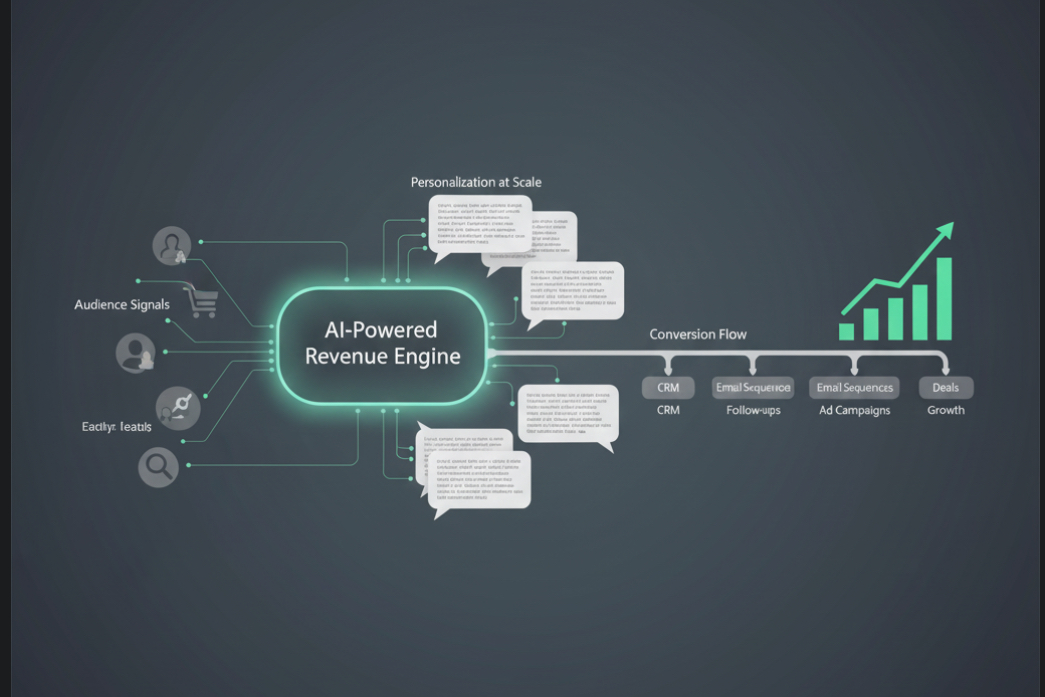
This is where the money is made. Using AI tools for scaling business 2026 allows you to reach more people with a message that actually resonates.
Clay
Clay is a masterclass in best AI tools for business 2026. If you are still using static lead lists, you are losing. It uses AI agents to find the specific “hooks” that make people reply.
Key Features: 100+ data sources and “Claygent” for deep-dive lead research.
Pros: It allows for hyper-personalization at a scale that was impossible two years ago.
Cons: The credit-based pricing can get out of hand if you aren’t careful.
Pricing: Pro starts at $149/mo.
Instantly.ai
Instantly is the definitive tool for cold email scaling. It handles the “boring” stuff—deliverability and warmup—so you can focus on the copy.
Key Features: Unlimited inbox rotation and AI copy testing.
Pros: It prioritizes ROI by ensuring your emails actually land in the primary folder.
Cons: It’s a specialist tool; it won’t manage your social media or your ads.
Pricing: $97/mo.
Surfer SEO
Surfer remains one of the top paid AI tools for business for organic growth. It audits your content against the real-time SERP to tell you exactly what you’re missing.
Key Features: It continuously scans your content as it’s published, grouping keywords by intent so you can see what deserves attention and what’s already covered.
Pros: For teams serious about AEO, it removes the guesswork and shows a clear, evidence-based route toward top positions—no chasing vanity metrics.
Cons: This isn’t a plug-and-play tool. You need someone who actually understands SEO, otherwise most of its value stays locked behind the dashboard.
Pricing: Starts at $89 per month.
Analytics & Insights: Data-Driven or Data-Dead?
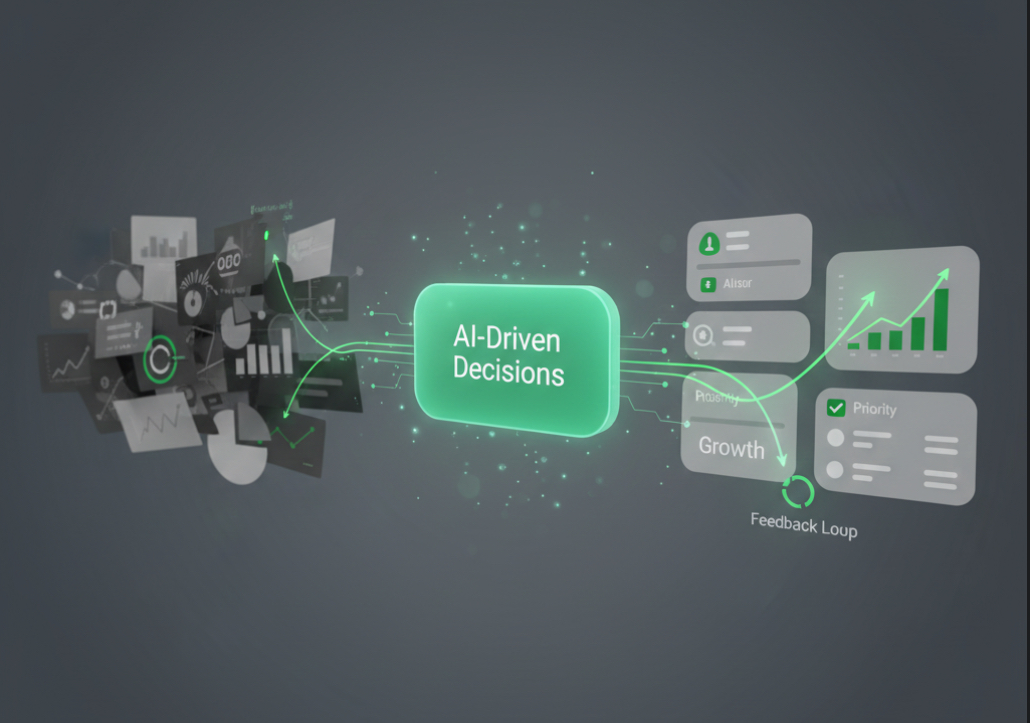
By 2026, relying on gut instinct alone isn’t a plan. You need What paid AI tools have the highest ROI in 2026? The answer lies in data clarity.
Polymer
Polymer is a no-code dashboard builder that turns messy spreadsheets into interactive insights in seconds.
Key Features: It watches for odd spikes and drops in your data and turns them into clean visuals on the spot, without you having to build charts manually.
Pros: Ideal for founders who want to understand what’s happening in their numbers without bringing a data scientist into every conversation.
Cons: It’s not built for heavy-duty, warehouse-scale data—once you’re dealing with massive datasets, you’ll hit its ceiling.
Pricing: Starts at $40/mo.
Julius AI
Julius is a chat-based analyst for Excel and CSV forecasting. You don’t write formulas; you just ask questions.
Key Features: Natural language queries and advanced ML-based forecasting.
Pros: It generates complex visualizations and models in seconds.
Cons: Limited by the quality of the data you upload.
Pricing: $20/mo.
Zapier vs Make – Which is the best fit for your business?
Emerging All-in-One Agents: The 2026 Frontier
The final piece of the AI tools every serious business needs 2026 puzzle is autonomy. We are moving from “tools” to “agents.”
Lindy.ai
Lindy lets you build custom AI agents for your specific business processes. Want an agent to handle your customer intake? Lindy can do it.
Key Features: Multi-agent collaboration and 6,000+ integrations.
Pros: It feels human and handles complex logic that simple bots can’t touch.
Cons: Requires a significant “training” period to get it exactly right.
Pricing: Pro starts at $49/mo.
Grok 5 (xAI Premium)
Grok 5 is the reasoning powerhouse. Its integration with real-time X data makes it one of the best AI tools for business 2026.
Key Features: Advanced reasoning and workflow orchestration.
Pros: The most “unfiltered” and logically sound model for complex problem-solving.
Cons: The UI is still very “developer-focused.”
Pricing: $20/mo.
Superhuman AI
Superhuman is the only email client and AI tools every serious business needs in 2026 that makes you feel like you have a superpower. Its AI triage and summary tools are essential for the 2026 executive.
Key Features: Instant triage and “Auto-draft” based on your writing style.
Pros: It literally saves 3-5 hours a week for high-volume emailers.
Cons: Exclusive to Gmail and Outlook users.
Pricing: $30/user/mo.
Summary: The Best Paid AI Tools In 2026
| Tool | Category | Pricing (2026) | Best For | Rating | 2026 Demand Factor |
| Mem.ai | Productivity | $10/mo | Team Knowledge | 4.8 | Agentic Recall |
| Motion | Productivity | $19/mo | Scheduling | 4.7 | Predictive Habits |
| Clay | Sales | $149/mo | Lead ROI | 4.8 | Prospecting Autonomy |
| Grok 5 | Agents | $20/mo | Logic/Trends | 4.9 | Real-time Context |
| Surfer SEO | Marketing | $89/mo | SEO ROI | 4.6 | AEO Dominance |
How much should a business spend on AI tools in 2026?
For a lean, high-growth company whether in Ireland or in Singapore, your monthly investment in a robust enterprise AI stack 2026 should be between €400 and €850. This isn’t a cost—it’s an investment in a “Growth Engine” that replaces 2-3 full-time administrative roles.
At Gonzo Digital, I help CEOs implement these best paid AI tools for business 2026 into a strategy that actually wins.
Would you like me to do a quick audit of your current tech stack to see where you’re losing ROI?
Q: Are paid AI tools worth it in 2026?
Ans: Yes. While free versions exist, the best paid AI tools 2026 provide the data security, agentic autonomy, and CRM integration essential for scaling. To build a predictable growth engine, paying for specialized tools is now a baseline requirement, not an option.
Q: What is the best paid AI tool for productivity in 2026?
Ans: For time management, Motion is the top AI productivity tools 2026 choice due to its predictive scheduling. For communication, Superhuman remains the leading paid AI tools for productivity 2026, saving executives hours through AI-driven inbox triage.
Q: Which AI tools are enterprises adopting in 2026?
Ans: Enterprises are shifting toward best AI tools serious businesses use 2026 that offer “agentic” capabilities. Tools like Writer (for brand-safe generative AI tools for business 2026) and Lindy.ai are preferred because they execute complex, end-to-end workflows rather than just generating text.
Q: How much should a business spend on AI tools in 2026?
Ans: A lean, high-growth enterprise AI stack 2026 typically costs between €400–€850/month. This investment functions as a “digital workforce,” often replacing the administrative overhead of multiple full-time roles.